Nutrition
Nutrition is one of the pillars of our physical, mental and emotional well-being. It provides building blocks and energy for our body and plays an important role in various processes. “Accumulating data suggests that…diet and nutrition are not only critical for human physiology and body composition, but also have significant effects on mood and mental wellbeing…” (Adan et al., 2019). Research shows that poor eating habits, eating disorders, disbalanced diet, lack of certain nutrients contribute to both physical and mental health problems, whereas following principles of some traditional diets rich in plant-based foods, olive oil and fish and low in sweets and animal-based foods (especially red meat) such as for example mediterranean, helps to improve physical and mental health and to reduce risk of cardiovascular diseases as well as likelihood of depression and anxiety (Adan et al., 2019; Kiani et al., 2022). These positive outcomes are thought to be linked to anti-inflammatory, antioxidant and cardio-protective effects of such diets (Kiani et al., 2022).
It must be also mentioned that the food we eat has a profound impact on the microbiome (the bacterial community) in our gut, which in turn is crucial for the health of our gut and our overall physical and mental well-being (Horn et al., 2022; Park et al., 2025; Sanz et al., 2025). It was demonstrated that metabolites and neurotransmitters produced by microbiome contribute to the regulation of functioning of our immune, endocrine and nervous systems (Horn et al., 2022; Park et al., 2025; Sanz et al., 2025). One can say that our health starts with happy healthy gut and gut microbiome. It is therefore important to include in your diet foods rich in fibers and fermented foods, which help to restore and to nourish the gut microbiome (Horn et al., 2022).
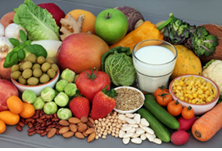
Some simple recommendations could include: 1. Fruits and vegetables should constitute about half of a daily ration; 2. Minimize intake of added sugars, reduce intake of refined grains and include whole grains; 3. Include olive oil and reduce saturated fats; 4. Include fermented foods
Finally, I’d like to shortly touch upon food supplements and isolated nutrients in comparison to whole foods. Whereas use of certain food supplements like vitamins, metal ions, minerals or lipids might be advisable or even necessary for some individuals in certain situations or conditions (especially if recommended by a healthcare professional), it is recognized more and more that whole foods provide a rich nutrient profile that nourishes us in various ways and at multiple levels. In addition, whole foods are usually naturally balanced and more readily absorbed and processed by our body.
Note: This article is intended for educational purposes only. Consult a nutritionist or a healthcare provider for guidance tailored to your individual requirements and health needs, if you think that changing your eating habits or following a diet might beneficial for you.
References:
Adan RAH, van der Beek EM, Buitelaar JK, Cryan JF, Hebebrand J, Higgs S, Schellekens H, Dickson SL. Nutritional psychiatry: Towards improving mental health by what you eat. Eur Neuropsychopharmacol. 2019 Dec;29(12):1321-1332.
Horn, J., Mayer, D.E., Chen, S., & Mayer, E.A. (2022). Role of diet and its effects on the gut microbiome in the pathophysiology of mental disorders. Translational Psychiatry 12, 164.
Kiani AK, Medori MC, Bonetti G, Aquilanti B, Velluti V, Matera G, Iaconelli A, Stuppia L, Connelly ST, Herbst KL, Bertelli M. Modern vision of the Mediterranean diet. J Prev Med Hyg. 2022 Oct 17;63(2 Suppl 3): E36-E43.
Park, J.C., Chang, L., Kwon, HK. et al. Beyond the gut: decoding the gut–immune–brain axis in health and disease. Cell Mol Immunol (2025).
Sanz, Y., Cryan, J.F., Deschasaux-Tanguy, M. et al. The gut microbiome connects nutrition and human health. Nat Rev Gastroenterol Hepatol 22, 534–555 (2025).